June 26, 2024
ADHD Medications

For adults age 18 and older. Medication can reduce core attention-deficit/hyperactivity disorder (ADHD) symptoms and make daily tasks easier, but it does not cure ADHD. The best choice depends on a confirmed diagnosis, the symptoms and functions you want to improve, your health history, other medications, side-effect risk, cost and personal preferences. Medication is usually one part of a broader plan that may also include education, skills-based therapy or coaching, sleep and routine supports, and workplace or school accommodations.[1][3]
This article is general education, not a diagnosis or a dosing guide. Do not start, stop, split, crush, switch or change the dose or timing of an ADHD medication without speaking with the prescriber or pharmacist. Product instructions differ, and a dose that is appropriate for one person may be unsafe for another.[5]
On this page
- Medication options in Canada
- How a medication is chosen
- Benefits and side effects
- Monitoring and follow-up
- Safe use and urgent help
- Frequently asked questions
ADHD medication options in Canada
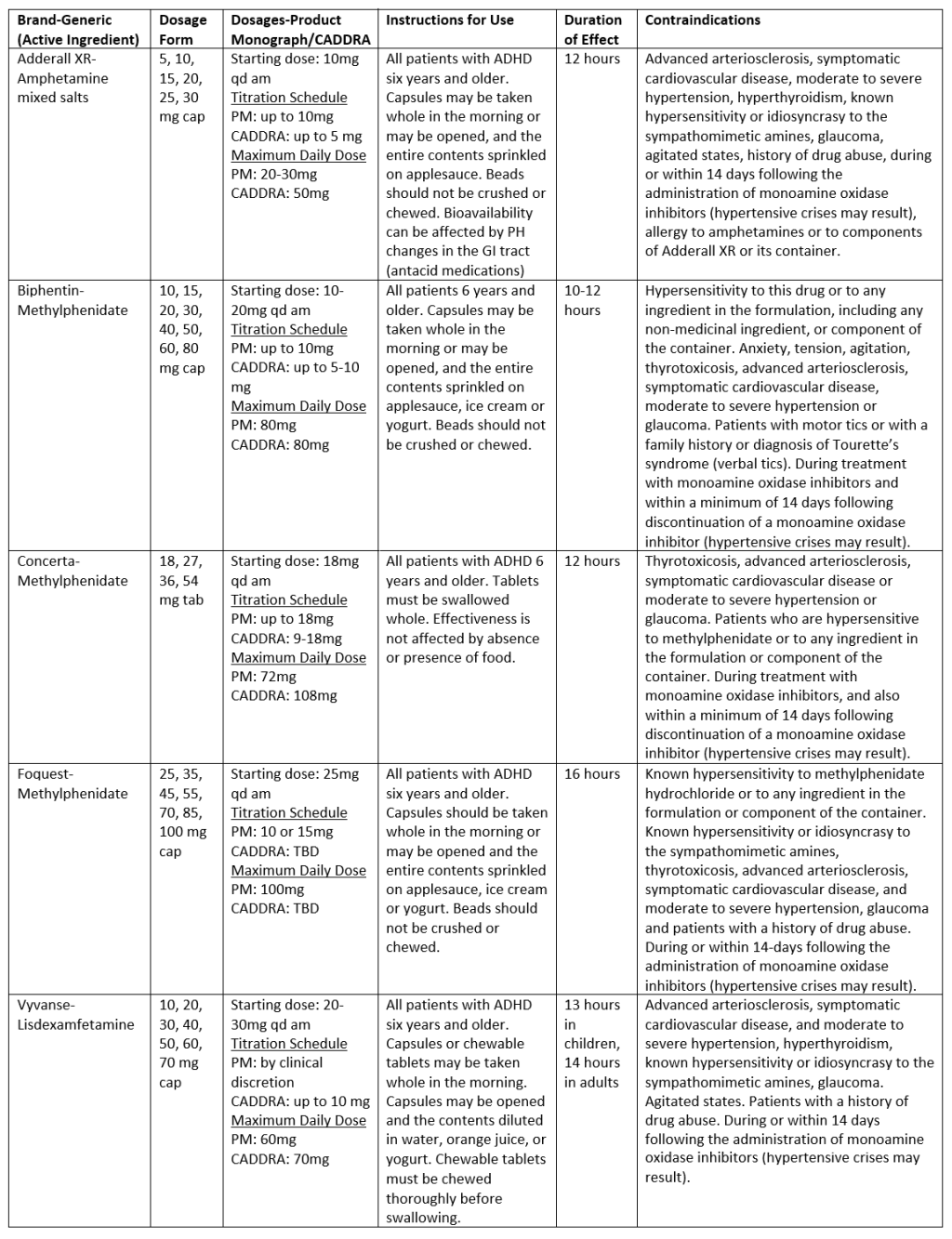
Canadian ADHD medications fall into stimulant and non-stimulant groups. CADDRA’s Canada-wide medication chart is the most useful current overview of products marketed in Canada; its May 2026 edition replaces the older chart on which this post was originally based.[2] Brand availability and public or private plan coverage can change, so confirm the current options with a pharmacist.
| Family | Examples in Canada | What patients should know |
|---|---|---|
| Long-acting stimulants | Methylphenidate products such as Biphentin, Concerta and Foquest; amphetamine products such as Adderall XR and lisdexamfetamine | Often considered first when a stimulant is appropriate. Long-acting products are generally preferred because coverage is steadier and fewer doses are needed during the day.[1][2] |
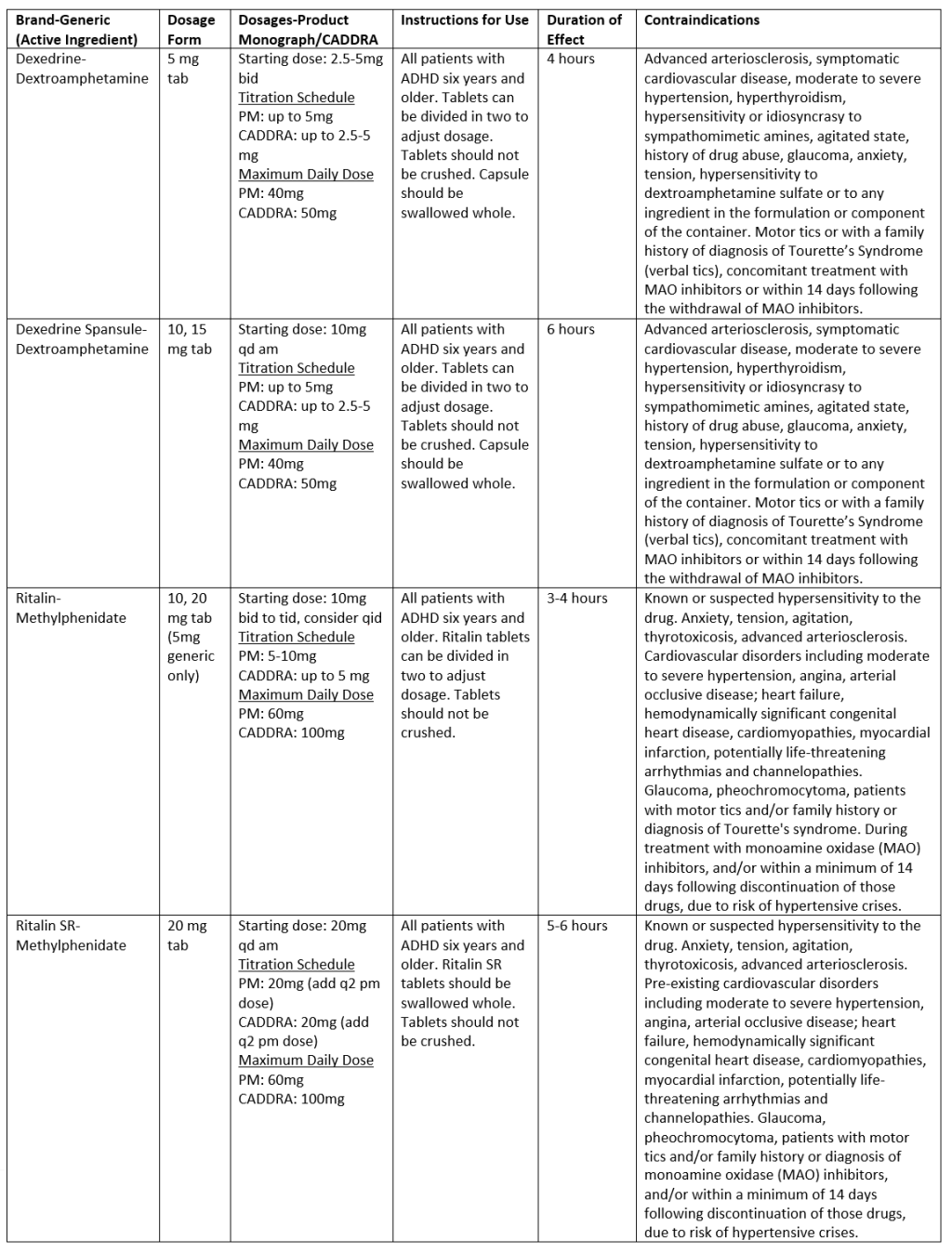
| Short- or intermediate-acting stimulants | Immediate-release methylphenidate and dextroamphetamine products | May be used when a shorter period of coverage is needed or, in selected cases, as an add-on to a long-acting product. They require careful timing and have more opportunity for missed doses or diversion. |
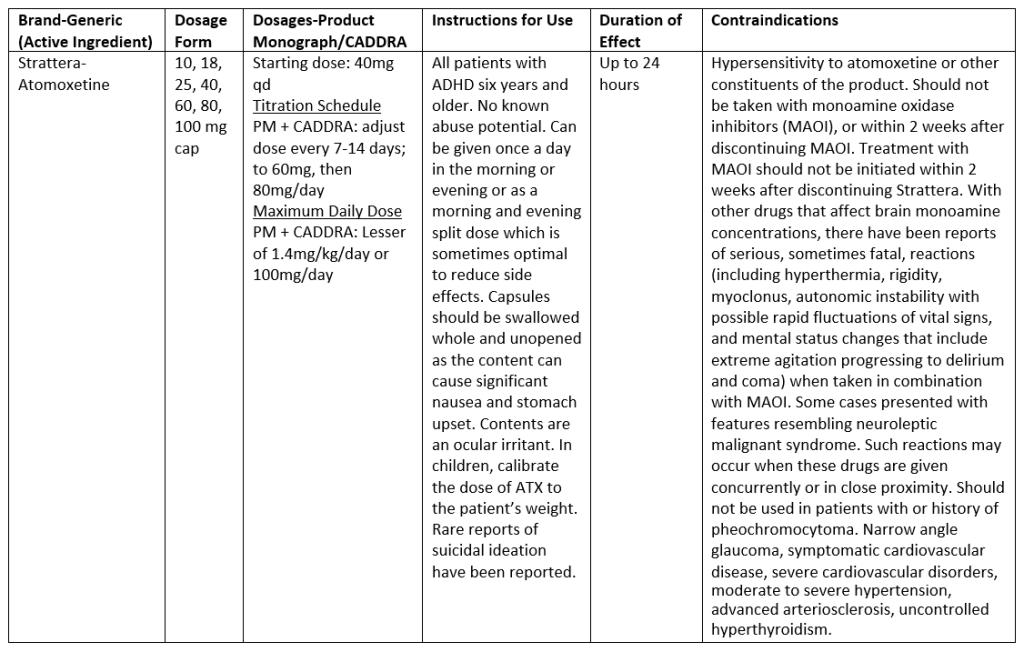
| Non-stimulant approved for adults | Atomoxetine | May be considered when stimulants are unsuitable, not tolerated, ineffective or present misuse concerns. Its benefit builds gradually rather than being felt on the first dose. Atomoxetine is authorized in Canada for adults with ADHD.[6] |
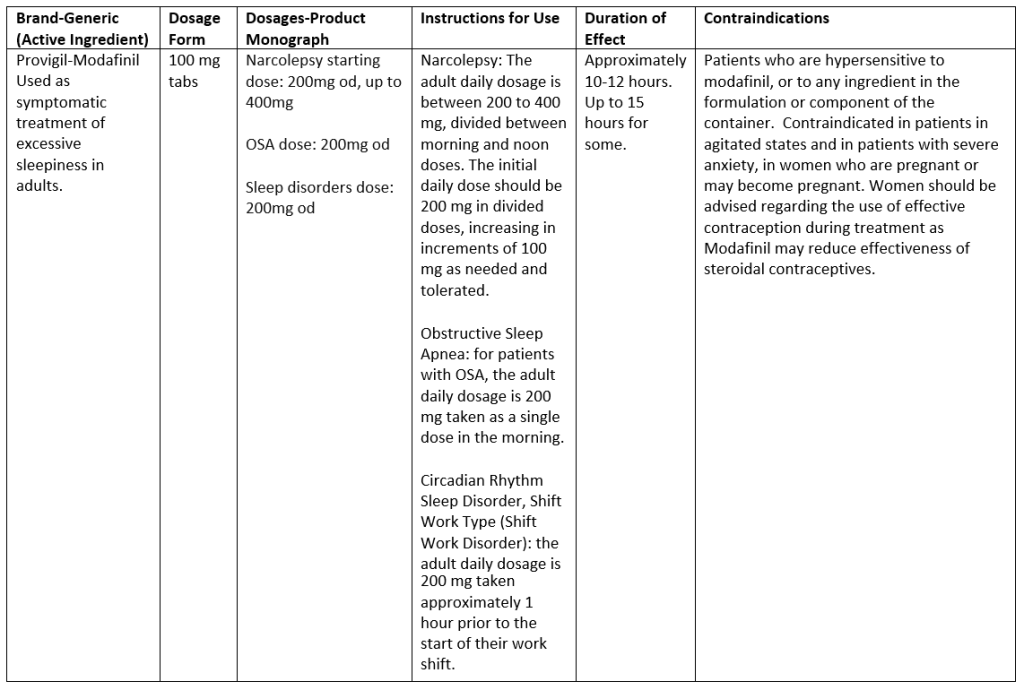
| Other non-stimulants and off-label options | Guanfacine extended release is authorized in Canada for ages 6–17, not for adult ADHD. A specialist may occasionally consider another medicine off-label. | “Off-label” means the use is outside the Health Canada-authorized indication. It does not automatically mean inappropriate, but the prescriber should explain the evidence, alternatives, uncertainties and monitoring. Modafinil and bupropion are not authorized in Canada as ADHD treatments.[7][8][9] |
Stimulants: methylphenidate and amphetamine families
Stimulants tend to act faster than non-stimulants. Some people respond better to methylphenidate, while others respond better to an amphetamine product. A poor result with one formulation does not necessarily mean every stimulant will fail. Release technology also matters: products with the same active ingredient can have different onset, duration, food instructions and rules about opening, splitting or crushing.
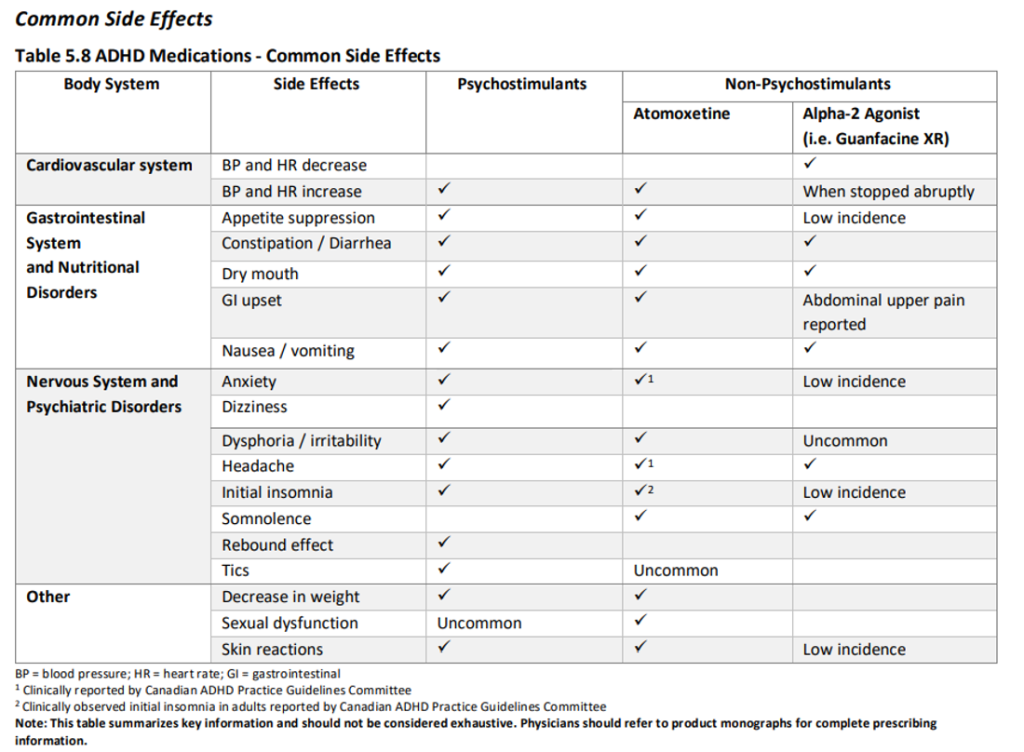
Common stimulant effects include reduced appetite, difficulty falling asleep, dry mouth, headache, stomach upset, feeling tense or irritable, and increases in heart rate or blood pressure. High doses, misuse and unsafe combinations increase the risk of severe cardiovascular, psychiatric and neurologic effects.[4]
Atomoxetine
Atomoxetine is a non-stimulant selective norepinephrine reuptake inhibitor. It may take several weeks to show its full effect. Common concerns include nausea or stomach upset, decreased appetite, dry mouth, fatigue or sleepiness, dizziness, sleep changes and sexual side effects. The Canadian product monograph also describes uncommon but important risks, including liver injury, cardiovascular effects and new or worsening thoughts of suicide; patients should know what changes require prompt help.[6]
Why this article does not publish dosing tables
Starting doses, titration steps and maximum doses depend on the exact product, age, health conditions, other medicines, response and whether the prescriber is following the authorized monograph or making a documented off-label decision. Public screenshots can become outdated and are difficult to use with a screen reader or phone. For current product-specific information, use the prescription label, the patient information supplied with the medicine, the current Health Canada product monograph and the prescriber’s instructions.
How a medication is chosen
Before prescribing, a clinician should confirm that ADHD symptoms cause meaningful impairment and consider other conditions that can resemble or complicate ADHD. Treatment goals should be functional and specific—for example, completing work safely, arriving on time, driving more attentively, managing household tasks or reducing impulsive decisions—not simply “feeling more focused.”
Share this information with the prescriber and pharmacist
- Heart disease, high or low blood pressure, fast or irregular heartbeat, fainting, unexplained chest symptoms, or a family history of serious rhythm problems or sudden cardiac death.
- Glaucoma, thyroid disease, seizures, liver or kidney problems, circulation problems, tics or Tourette syndrome.
- Anxiety, depression, bipolar disorder, psychosis, eating concerns, aggression, suicidal thoughts or previous serious medication reactions.
- Current or past alcohol, cannabis or substance-use problems, and any concern about medication sharing, loss or diversion.
- Pregnancy, plans to become pregnant or breastfeeding.
- Every prescription, non-prescription medicine, vitamin, natural health product and supplement you use—especially antidepressants, monoamine oxidase inhibitors (MAOIs), decongestants and medicines that affect blood pressure or heart rhythm.
What a well-planned trial looks like
- Define target outcomes. Record two or three daily functions and the main side effects to watch.
- Establish a baseline. The clinician may review blood pressure, pulse, weight, sleep, appetite, mood and substance-use risk. An ECG is not routinely needed for everyone, but cardiac symptoms or history may require further assessment.[1]
- Change one thing at a time. The prescriber starts and adjusts medication gradually according to the current product monograph and individual response.
- Measure benefit and burden. A medication should improve real-life function with acceptable side effects. More is not automatically better.
- Review and revise. If benefits are inadequate or side effects are not acceptable, the plan may involve timing changes, another formulation, another medication family or non-medication supports.
Benefits, common side effects and practical responses
| What you notice | Possible next step to discuss | When to act sooner |
|---|---|---|
| Reduced appetite or weight change | Track appetite and weight; discuss meal timing, nutrition and whether the medication schedule needs review. | Contact the prescriber promptly for rapid or concerning weight loss, dehydration, persistent vomiting or inability to eat. |
| Difficulty sleeping | Review dose timing, caffeine and other stimulants, sleep routine and how long the formulation lasts. Do not alter a long-acting product on your own. | Seek prompt advice for several nights with almost no sleep, marked agitation or symptoms of mania. |
| Headache, dry mouth or stomach upset | Note timing and severity; ask about food instructions, hydration and appropriate symptom management. | Get urgent help for a severe sudden headache, repeated vomiting, confusion or neurologic symptoms. |
| Faster pulse or higher blood pressure | Follow the monitoring plan. Avoid adding decongestants, energy products or supplements without checking first. | Call 9-1-1 for chest pain, fainting, severe shortness of breath or symptoms of stroke. |
| Anxiety, irritability, low mood or emotional “rebound” | Record when the change occurs relative to the dose; contact the prescriber rather than compensating with extra medication. | Seek immediate help for hallucinations, severe agitation, mania, suicidal thoughts or risk of harm. |
| Sleepiness or dizziness | Common with some non-stimulants. Avoid driving or hazardous work until you know how the medicine affects you. | Contact a clinician promptly for fainting, repeated near-fainting, a very slow pulse or injury. |
Monitoring and follow-up
Follow-up should be more frequent while a medication is being started or changed, then continue periodically once the plan is stable. The schedule depends on the medication and your health. Bring a simple record of:
- the exact product, strength, time taken and any missed doses;
- changes in target symptoms and daily function at work, school, home and while driving;
- sleep, appetite, weight, mood, anxiety, pulse or blood-pressure readings when requested;
- when benefits begin and wear off, and when side effects occur;
- new prescriptions, non-prescription products, supplements, alcohol or cannabis use;
- problems obtaining the medicine, or any switch in brand or formulation.
If a medication is unavailable, do not improvise with another strength or product. Health Canada recommends speaking with a pharmacist or prescriber; alternatives may have a different release pattern or require a new prescription and monitoring plan.[10]
Safe use, storage and urgent help
- Take the medicine exactly as prescribed. Never use someone else’s medication or share yours.
- Check before mixing stimulants with alcohol, cannabis, energy products, decongestants, antidepressants or other medicines. Some combinations can raise heart rate or blood pressure or mask intoxication.[4]
- Keep medication in its labelled original container, secured from children, visitors, theft and accidental use. When travelling, keep the pharmacy label and check destination rules for controlled medicines.
- Do not crush, split, chew or open a long-acting product unless the product instructions and pharmacist specifically say it is permitted.
- Do not double a missed dose. Ask the pharmacist what to do for your exact product.
- Return unused or expired medication to a pharmacy; do not flush it or keep it “just in case.”[11]
Get urgent help
Call 9-1-1 for chest pain, severe shortness of breath, fainting, a seizure, symptoms of stroke, a severe allergic reaction, extreme agitation, dangerously high temperature, or suspected overdose.
For new hallucinations, mania, severe mood changes or suicidal thoughts, contact the prescriber urgently. If you or someone you know is thinking about suicide, call or text 9-8-8 anywhere in Canada, 24 hours a day. If there is immediate danger, call 9-1-1.[12]
Frequently asked questions
How quickly should ADHD medication work?
A stimulant may have an effect on the day it is taken, although finding the right product and dose takes follow-up. Atomoxetine builds its effect gradually and may require several weeks. Improvement should be judged by daily function as well as symptom scores.
Is a generic exactly the same experience as a brand product?
Generic medicines must meet Canadian regulatory standards, but release systems and non-medicinal ingredients can differ. If symptom control or side effects change after a switch, record the product name and DIN from the label and speak with the pharmacist or prescriber rather than adjusting the dose yourself.
Can I take breaks from medication?
Do not plan “medication holidays” or stop suddenly without discussing the reason, benefits and risks with the prescriber. The answer depends on the medicine, your symptoms and safety needs. Some non-stimulants should not be stopped abruptly.
Can ADHD medication be combined with an antidepressant?
Sometimes, but only with a prescriber who has reviewed the diagnosis, interactions and monitoring. Provide the pharmacist with a complete medication list. Certain combinations—especially involving MAOIs—can be dangerous.
What if my medication does not help?
Confirm that it was taken as directed and review sleep, other conditions, substance use, interactions, timing and the target outcomes. Lack of benefit may lead to a different formulation or family, a diagnostic review, or added non-medication supports. Taking more than prescribed is not a safe test.
Questions to bring to your appointment
- Which daily functions are we trying to improve, and how will we measure them?
- Why is this medication family a reasonable first choice for me?
- What side effects and warning signs are most relevant to my history?
- When should I follow up, and what should I track between visits?
- What should I do if I miss a dose, cannot obtain the product or am switched to another brand?
- Which medicines, supplements, alcohol or cannabis should I avoid?
For questions about a prescription, contact the prescribing clinic or speak with a pharmacist. You can also contact Sina Health Centre for current clinic and pharmacy contact options.
References and Canadian resources
- Centre for Addiction and Mental Health (CAMH): Adult ADHD—Pharmacotherapy.
- CADDRA: Canadian ADHD Medication Chart, May 2026 edition.
- CADDAC/CADDRA: Medication Information, 2025.
- Health Canada: Prescription stimulants—effects, health risks and safer use.
- Health Canada: Using medications safely.
- Health Canada Drug Product Database: atomoxetine product monograph and patient information.
- Health Canada Drug Product Database: guanfacine extended-release product monograph and patient information.
- Health Canada Drug Product Database: modafinil product monograph.
- Health Canada Drug Product Database: bupropion XL product monograph.
- Health Canada: Drug shortages in Canada—information for patients.
- Health Canada: Safe disposal of prescription drugs.
- Public Health Agency of Canada: 9-8-8 Suicide Crisis Helpline and urgent-help guidance.
- Health Canada MedEffect: Report a suspected medication side effect.
Reporting side effects: Contact a healthcare professional for medical advice. Patients and caregivers can also report suspected side effects to Health Canada through MedEffect Canada.[13]