
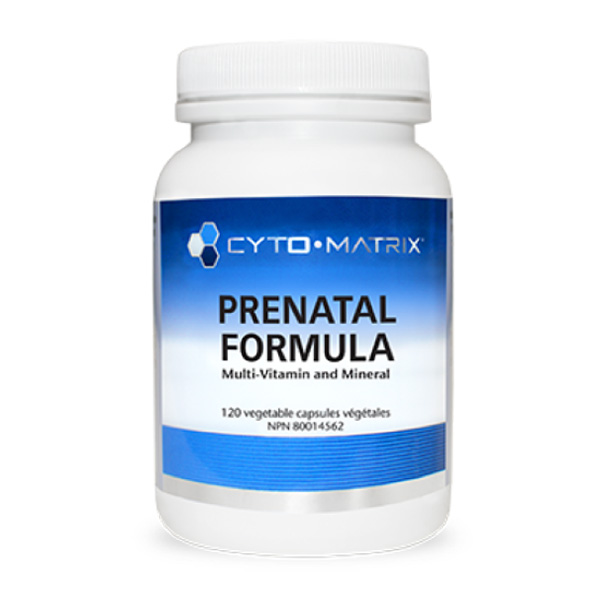

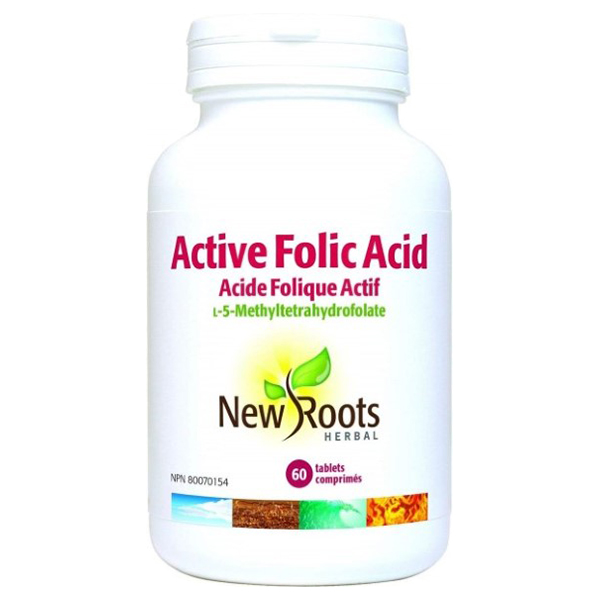
Showing 1–12 of 33 results

Canadian natural-health shopping guide

Prenatal & Postnatal Supplements

Compare prenatal multivitamins, folic acid, iron, vitamin D and omega-3 products using current Canadian pregnancy guidance.

Sina’s current online selection

33 Prenatal & Postnatal Supplements products in this collection

Shop current prices and availability below. Use the product and brand filters to narrow the list, or add an in-stock item directly to your cart.

Helpful buying guide

How to shop Prenatal & Postnatal Supplements

Pregnancy planning, pregnancy and breastfeeding change nutrient requirements and supplement safety. Health Canada recommends a daily multivitamin with 400 mcg folic acid for anyone who could become pregnant and a prenatal multivitamin containing 16–20 mg iron during pregnancy. A healthy diet remains essential, and herbs or high-dose nutrients should not be added without review.

Evidence-based decision guide

Understand the options before you choose

Folic acid before pregnancy begins

Neural tube development occurs early, often before pregnancy is recognized. Health Canada recommends 0.4 mg folic acid daily for anyone who could become pregnant, ideally beginning before conception. Higher-dose plans are for defined risk factors and require clinician direction.[5][6]

Iron needs rise during pregnancy

Health Canada recommends a prenatal multivitamin containing 16–20 mg iron. Additional iron depends on diet, symptoms and laboratory results because excessive iron is not benign.[7][11]

Vitamin D and omega-3

Vitamin D is difficult to obtain from food alone; Health Canada advises a daily dietary source. Omega-3 guidance emphasizes low-mercury seafood, while supplemental DHA/EPA can be considered based on diet and professional advice.[7][12][10]

Postnatal and breastfeeding review

Needs change after delivery. Continue a nutritious diet and review the multivitamin, folic acid, vitamin D source, iron status and any herbs with the care team. Infant vitamin D has separate guidance.[8][9]

Core prenatal label checkpoints

NutrientCanadian guidanceShopping checkpoint
Folic acid0.4 mg daily for those who could become pregnantUse higher amounts only with clinician direction.[5]
Iron16–20 mg in the daily prenatal multivitamin during pregnancyAdditional iron should reflect assessment and laboratory results.[7]
Vitamin DA daily dietary source is recommendedCount the prenatal plus any separate product.[6][7]
DHA/EPAConsider diet, low-mercury seafood and professional recommendationsCompare actual DHA and EPA per serving, source and storage.[10][12]
Health-supporting habits

Practical tips beyond supplements

  • Start with food, sleep, movement and other daily habits that relate to the goal.
  • Define one measurable outcome and a realistic date to review whether the product is helping.
  • Record the exact product, NPN or DIN-HM, daily amount and start date.
  • Introduce one new product at a time so benefit or adverse effects can be identified.
Safety first

When assessment matters

  • Do not use a supplement to delay emergency care or assessment of severe, persistent or rapidly worsening symptoms.
  • Pregnancy, breastfeeding, childhood, surgery and serious chronic disease require product-specific advice.
  • Review possible interactions when prescription medicines or several supplements are used.
  • Stop the product and seek advice if a concerning new symptom or suspected allergic reaction occurs.
A practical buying checklist

What to compare before you buy

  • Confirm 400 mcg (0.4 mg) folic acid in the full daily serving unless a clinician has directed a different amount.
  • During pregnancy, compare iron with Health Canada’s 16–20 mg prenatal recommendation and individual laboratory results.
  • Check vitamin D, iodine, vitamin A form, choline and all other nutrients across the complete daily serving.
  • If adding DHA/EPA, compare the actual fatty acids—not total oil—and choose a pregnancy-appropriate source.
  • Review every herb, sports product, medicine and supplement with the prenatal care team.

Need help choosing?

Bring your medication list, allergies, health conditions and current supplements. A Sina pharmacist can help you compare labels and identify questions for your prescriber.

Call 604-336-7462

Frequently asked questions

When should I start a prenatal multivitamin?

Folic-acid guidance applies before pregnancy is recognized. If pregnancy is possible, begin a daily multivitamin with 0.4 mg folic acid and discuss the full prenatal plan with a clinician.[5]

Is methylfolate better than folic acid for everyone?

Health Canada’s neural-tube-defect prevention recommendation is specifically stated as folic acid. Do not replace or increase it based only on marketing or genetic-test claims.[5][9]

Is more folic acid always better?

No. Most people use 0.4 mg daily. Higher amounts are used for defined risk situations under healthcare-professional direction.[5]

How much iron should a prenatal contain?

Health Canada advises 16–20 mg in the daily prenatal multivitamin during pregnancy. Individual iron treatment can differ based on blood tests and clinician advice.[7][11]

Do I need a separate vitamin D supplement?

Count the amount in the prenatal and your daily food sources. Health Canada recommends a daily dietary source of vitamin D; a pharmacist can help assess the total.[6][7]

Do I need DHA during pregnancy?

DHA is important in development. Review low-mercury seafood intake, dietary pattern and the DHA/EPA amount in the prenatal before adding a separate product.[10][12]

Can I take two prenatal vitamins if I miss a dose?

Do not double a dose unless the exact label or prenatal clinician tells you to. Contact a pharmacist for product-specific missed-dose advice.[3]

Are herbal teas and “natural” remedies safe in pregnancy?

Not automatically. Ingredients, concentration and evidence vary. Review every herbal product with the prenatal care team.[3][8]

Should I continue the prenatal while breastfeeding?

Postnatal needs differ. Health Canada continues folic-acid advice for those who could become pregnant; review iron, vitamin D and the full formula with the care team.[8][7]

What if the prenatal causes nausea or constipation?

Do not stop essential supplementation without discussing alternatives. Timing, dosage form and iron type may affect tolerance; persistent vomiting needs assessment.[7]