Showing 1–12 of 139 results

Canadian natural-health shopping guide

Multivitamins

Compare daily, age-specific and life-stage multivitamin formulas without overlooking serving size.

Sina’s current online selection

139 Multivitamins products in this collection

Shop current prices and availability below. Use the product and brand filters to narrow the list, or add an in-stock item directly to your cart.

Helpful buying guide

How to shop Multivitamins

Multivitamins are not standardized to one formula. Nutrients, strengths and serving counts differ, and some products add herbs or specialty ingredients. Use the full medicinal-ingredient table to compare products and avoid stacking a multivitamin with separate nutrients unless the combination is intentional.

Evidence-based decision guide

Understand the options before you choose

A multivitamin fills gaps; it does not replace a dietary pattern

Multivitamin/mineral products can help selected people meet nutrient requirements, but they do not provide the fibre, protein, essential fats and food matrix found in meals. Research does not support treating a multivitamin as a universal way to prevent cardiovascular disease, cancer or every cause of fatigue.[5][6]

Choose for age, sex and life stage

Adult, older-adult, prenatal and children’s formulas differ in iron, folic acid, vitamin D, vitamin A and other nutrients. Select the life-stage product that fits the person rather than choosing the highest-potency bottle.[5][7]

Check the totals from every source

A multivitamin may overlap with magnesium, calcium, zinc, vitamin D, B-complex, fortified drinks and condition-specific blends. Total the full daily serving and account for food or laboratory-guided treatment before combining products.[3][4]

Timing can change medicine absorption

Iron, calcium, magnesium and zinc can reduce absorption of levothyroxine, selected antibiotics and other medicines. A pharmacist can separate the multivitamin from medicines and decide whether food improves tolerance.[8][9][10][11]

Compare multivitamins by fit, not pill count

FormulaUseful questionCommon concern
General adultDoes it address actual dietary gaps?May duplicate single nutrients already used.[5]
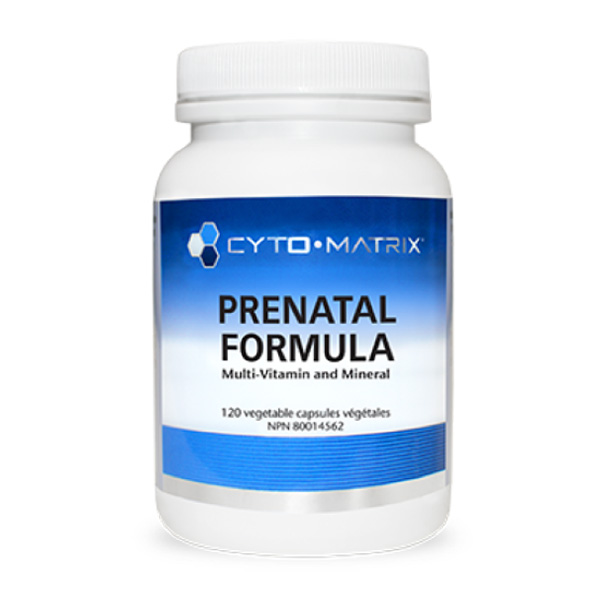
PrenatalDoes it match preconception or pregnancy guidance?Vitamin A, folic acid and iron need professional review.[12]
50+ formulaAre B12, vitamin D and medicine timing relevant?Iron-free is not suitable for everyone and iron-containing is not needed by everyone.[8]
Gummy or liquidWill the format improve consistent use?Multiple units per serving, sugar and storage may be overlooked.[4]
Health-supporting habits

Practical tips beyond supplements

  • Compare one full daily serving rather than one tablet or gummy.
  • Choose the simplest formula that addresses identified needs.
  • Separate mineral-containing formulas from interacting medicines.
  • Review the formula whenever diet, pregnancy status, medicines or laboratory results change.
Safety first

When assessment matters

  • Do not use a multivitamin to self-treat unexplained weight loss, persistent fatigue or anemia.
  • Avoid doubling prenatal and standard multivitamins.
  • Ask before using vitamin K-containing products with warfarin.
  • Store iron-containing formulas where children cannot access them.
A practical buying checklist

What to compare before you buy

  • Choose for the relevant age and life stage rather than relying only on “men’s” or “women’s” marketing.
  • Check how many tablets, capsules or gummies provide the listed daily serving.
  • Compare iron, vitamin D, folate and other nutrients already supplied by separate products.

Need help choosing?

Bring your medication list, allergies, health conditions and current supplements. A Sina pharmacist can help you compare labels and identify questions for your prescriber.

Call 604-336-7462

Frequently asked questions

Are one-daily and multi-capsule formulas equivalent?

Not necessarily. Serving frequency affects how much of each ingredient is provided. Compare the full daily serving.

Do I need a multivitamin if I eat well?

Needs vary by diet, age, health history and life stage. Supplements complement rather than replace nutritious food.

Can I use a prenatal as a regular multivitamin?

Prenatal formulas are designed for a specific life stage and may differ in iron, folate and other nutrients. Choose with professional advice.

How do I compare two Multivitamins products?

Compare the exact medicinal ingredients, amount per full daily serving, dosage form, Canadian licence number when applicable, intended use, warnings and total daily cost. A longer ingredient list or higher number on the front label does not by itself make a product more suitable.[2][4]

Is a higher dose or more ingredients always better?

No. The useful amount depends on the nutrient or ingredient, the reason for use, food intake, age, health conditions and medicines. Higher exposure can add adverse effects, interactions or duplicate ingredients without adding benefit.[3][4]

Can I combine several products from this collection?

Sometimes, but compare every medicinal ingredient first. Multivitamins, powders, herbs and condition-specific formulas often overlap. A pharmacist can total the daily exposure and check whether the combination conflicts with medicines or health conditions.[3][2]

How quickly should I expect a supplement to work?

The answer depends on the ingredient, the outcome being measured and whether a deficiency or other cause is present. Agree on a realistic outcome and review date before starting; do not continue an ineffective product indefinitely or delay assessment of persistent symptoms.[3]

Can natural health products interact with prescription medicines?

Yes. Natural health products can alter absorption, sedation, bleeding, blood pressure, blood glucose, thyroid tests and drug metabolism. Share the product name, NPN or DIN-HM, ingredient list and dose with your pharmacist or prescriber.[3][2]

How do I verify a product sold in Canada?

Licensed natural health products normally display an eight-digit NPN or DIN-HM. Search that number in Health Canada’s database and compare the licensed use, ingredients, dose and risk statements with the package in hand. Cosmetics, foods and accessories follow different rules.[1][2]

Who should obtain individualized advice before choosing a product?

Ask first if you are pregnant or breastfeeding, selecting a product for a child, preparing for surgery, taking prescription medicines, or living with kidney, liver, heart, bleeding, immune, seizure or hormone-sensitive conditions. Bring an up-to-date medication and supplement list.[3]