





Menstruation and iron
Heavy menstrual bleeding can contribute to iron deficiency, but fatigue alone does not diagnose it. Blood testing can distinguish iron deficiency from other causes and guide the amount, product and duration.[8]
Free delivery from $150 CAD in Canada and $220 CAD for eligible U.S. orders. Conditions apply; see Shipping Policy. Dismiss
Skip to content
Shop by a defined life stage or concern—iron status, pregnancy planning, bone health, menopause or urinary health—rather than by gendered packaging alone.
Shop current prices and availability below. Use the product and brand filters to narrow the list, or add an in-stock item directly to your cart.
Women’s health is not one supplement need. Menstruation can change iron risk; pregnancy planning changes folic-acid recommendations; menopause shifts bone-health priorities; and urinary or vaginal symptoms may require assessment. Choose only after identifying the issue, reviewing diet and medicines, and separating products with plausible evidence from broad “hormone balance” marketing.
Heavy menstrual bleeding can contribute to iron deficiency, but fatigue alone does not diagnose it. Blood testing can distinguish iron deficiency from other causes and guide the amount, product and duration.[8]
Health Canada recommends a daily multivitamin with 400 mcg (0.4 mg) folic acid for adults and adolescents who could become pregnant. Higher amounts are reserved for specific risk situations under professional direction.[5][6]
Menopause accelerates bone loss. Calcium and vitamin D are parts of a broader plan that includes food, weight-bearing activity, fall prevention and assessment of fracture risk. Supplements should fill an identified gap rather than automatically maximize intake.[9][10]
Evidence does not support many marketed botanical and dietary supplements for hot flashes. Menopause guidance recommends several nonhormonal clinical options while not recommending supplements with unproven benefit. Review symptoms and treatment choices with a clinician.[11]
| Question | Supplement role | What to assess first |
|---|---|---|
| Could iron be low? | Iron can correct confirmed deficiency. | Bleeding history, diet, CBC and ferritin as directed.[8] |
| Could pregnancy occur? | Daily multivitamin with 0.4 mg folic acid is recommended. | Risk factors that may require clinician-directed higher folic acid.[6] |
| Is bone health the goal? | Calcium/vitamin D may fill dietary gaps. | Diet, vitamin D source, fracture risk and medicines.[9][10] |
| Are symptoms menopausal? | Do not assume a supplement is effective. | Symptom pattern, contraindications and proven options.[11] |
Bring your medication list, allergies, health conditions and current supplements. A Sina pharmacist can help you compare labels and identify questions for your prescriber.
Call 604-336-7462No. Need depends on diet, age, pregnancy potential, menstrual losses, health history and other supplements.[5]
Iron deficiency is possible, but testing helps confirm it and guide treatment. Very heavy bleeding also warrants medical assessment.[8]
Health Canada recommends a daily multivitamin with 400 mcg (0.4 mg) folic acid. Higher-risk situations require individualized advice.[5][6]
No. They support bone nutrition, but fracture prevention also depends on activity, fall risk, hormones, medicines and individual risk assessment.[9][10]
Current menopause guidance does not recommend many supplements because benefit is unproven or inconsistent. Discuss proven options and safety with a clinician.[11]
Yes. Multi-herb products can interact with hormone therapy, anticoagulants and other medicines. Review exact ingredients with a pharmacist.[3]
No. Burning, frequency or urgency can have different causes and may require testing or prescription treatment. Fever, flank pain, pregnancy or severe symptoms need prompt care.[3]
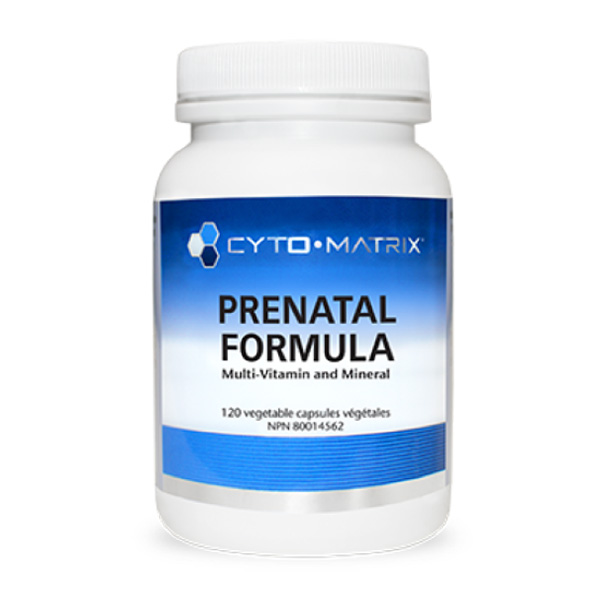
Prenatal formulas have life-stage-specific amounts, often including iron and folic acid. Choose one only when it matches the need.[7]
Review the multivitamin, vitamin D source, diet, medicines and any herbs. Health Canada continues to advise folic acid for those who could become pregnant.[7]
Seek care for very heavy or postmenopausal bleeding, severe pelvic pain, pregnancy concerns, a new breast change, blood in urine, fever or persistent symptoms.[3]
Content prepared by Sina Pharmacy team using the sources above. It is not a diagnosis or an individualized treatment plan. The current Canadian product label and advice from your healthcare professional take precedence.