
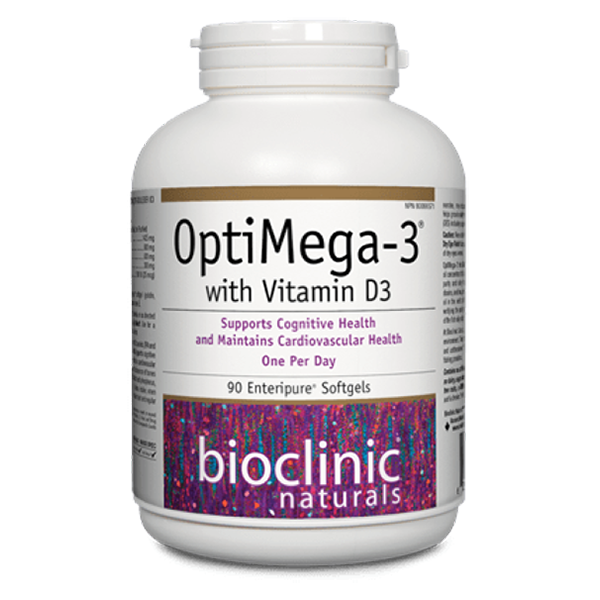





Food, sunlight and supplements
Vitamin D is found in relatively few foods. Health Canada recommends a daily dietary source and identifies supplementation for certain life stages when food sources are insufficient.[5]
Free delivery from $150 CAD in Canada and $220 CAD for eligible U.S. orders. Conditions apply; see Shipping Policy. Dismiss
Skip to content
Compare vitamin D drops, softgels and combination products by micrograms or IU per serving, total intake, age and clinical context.
Shop current prices and availability below. Use the product and brand filters to narrow the list, or add an in-stock item directly to your cart.
Vitamin D supports calcium absorption and bone health and contributes to normal muscle and immune function. Health Canada recommends a daily dietary source and advises 400 IU (10 mcg) supplementation for adults 51 and older; breastfed infants have separate 400 IU guidance. High-dose vitamin D is not a general wellness shortcut and can cause toxic high calcium levels.
Vitamin D is found in relatively few foods. Health Canada recommends a daily dietary source and identifies supplementation for certain life stages when food sources are insufficient.[5]
Vitamin D enables calcium absorption and is important for bone mineralization. A bone-health plan also includes adequate calcium, activity and individual fracture-risk assessment.[8][9]
A blood 25-hydroxyvitamin D test can assess status, but routine testing is not necessary for every healthy shopper. Risk factors, symptoms, medical conditions and a planned high-dose regimen can change the decision.[8]
Vitamin D toxicity causes hypercalcemia and can damage kidneys and other tissues. Count every source and do not use repeated high-dose products without a monitored plan.[8]
| Situation | What to compare | Why it matters |
|---|---|---|
| Adult daily use | Food sources, multivitamin and separate vitamin D total | Prevents unintentional duplication.[5] |
| Breastfed infant | 400 IU amount and exact drops or mL | Concentrations vary widely between products.[6][7] |
| Calcium combination | Vitamin D plus elemental calcium per serving | Both nutrients may be duplicated elsewhere.[9][8] |
| High-dose clinician plan | Laboratory target, duration and monitoring | High doses can cause hypercalcemia and toxicity.[8] |
Bring your medication list, allergies, health conditions and current supplements. A Sina pharmacist can help you compare labels and identify questions for your prescriber.
Call 604-336-7462They are two units used for vitamin D. For vitamin D, 1 mcg equals 40 IU; always compare the same unit and full serving.[8]
Health Canada recommends a daily dietary source for people aged 2–50 and advises adults 51 and older to take 400 IU (10 mcg) daily. Individual needs can differ.[5]
Canadian guidance recommends 400 IU (10 mcg) daily from birth for breastfed babies. Verify the exact drop concentration.[6][7]
Both raise vitamin D status, though their effects can differ. Choose based on the exact Canadian product, amount, source, diet and clinician advice.[8]
No. Testing is most useful when risk factors, symptoms, medical conditions or a high-dose treatment plan make the result likely to change care.[8]
Adequate vitamin D supports normal immune function, but high-dose supplementation is not a proven universal infection-prevention strategy.[10][8]
Often, but count both nutrients from diet and all supplements. Kidney stones, kidney disease or abnormal calcium require individual advice.[9][8]
Yes. Excess supplemental vitamin D can cause hypercalcemia, nausea, weakness, kidney stones and kidney injury.[8]
No. Drops are used by different age groups, but concentration varies. Dose by the exact label, not by the number of drops from another product.[4]
Yes. Some steroids, weight-loss medicines, statins and thiazide diuretics can affect vitamin D or calcium. Ask a pharmacist for product-specific advice.[8]
Content prepared by Sina Pharmacy team using the sources above. It is not a diagnosis or an individualized treatment plan. The current Canadian product label and advice from your healthcare professional take precedence.