
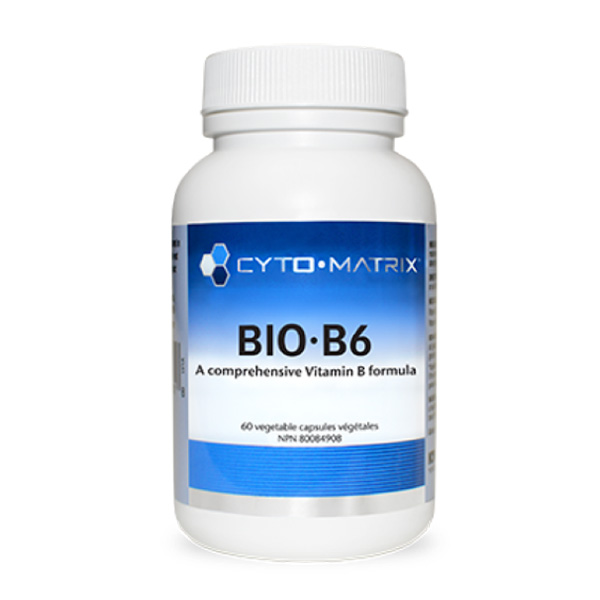

Showing 1–12 of 161 results

Canadian natural-health shopping guide

Vitamin B & B-Complex

Compare B12, folate, B6 and B-complex products by the specific nutrient, reason for use, form, amount and long-term safety.

Sina’s current online selection

161 Vitamin B & B-Complex products in this collection

Shop current prices and availability below. Use the product and brand filters to narrow the list, or add an in-stock item directly to your cart.

Helpful buying guide

How to shop Vitamin B & B-Complex

The B vitamins are distinct nutrients with different functions, deficiency risks and safety limits. A B-complex is not automatically an “energy booster.” Vitamin B12 may be relevant with vegan diets, malabsorption or certain medicines; folic acid is essential before and during pregnancy; and long-term high vitamin B6 can cause nerve injury. Identify the nutrient and need before choosing a broad formula.

Evidence-based decision guide

Understand the options before you choose

Vitamin B12

B12 is required for red blood cell formation, neurologic function and DNA synthesis. Risk of inadequacy is higher with vegan diets, pernicious anemia, gastrointestinal surgery or malabsorption, and some long-term medicines. Testing can guide whether oral or clinician-directed treatment is appropriate.[5]

Folate and folic acid

Folate is a B vitamin; folic acid is the form used in Canadian neural-tube-defect prevention guidance. People who could become pregnant are advised to take a daily multivitamin with 0.4 mg folic acid.[6][8]

B6 and long-term high doses

Vitamin B6 supports many enzyme reactions, but chronic excessive supplemental intake can cause sensory neuropathy. Check total B6 across all combination products and avoid equating a high percentage daily value with better energy.[7][3]

Energy claims need context

B vitamins participate in energy metabolism, but supplementation does not create extra energy when intake and status are adequate. Persistent fatigue deserves assessment for sleep, anemia, thyroid disease, mood, medication effects and other causes.[5][6]

Different B vitamins answer different questions

ProductWhen it may be consideredKey checkpoint
B12Low intake, vegan diet, malabsorption or confirmed deficiencyCause, laboratory results, form and treatment route.[5]
Folic acidPregnancy potential or clinician-directed deficiency careUse 0.4 mg daily for pregnancy prevention guidance unless directed otherwise.[8][6]
B6A specific licensed use or identified needAvoid chronic excessive total intake and monitor neurologic symptoms.[7][3]
B-complexA reason to supplement several B vitamins togetherCheck overlap with multivitamins and energy products.[3]
Health-supporting habits

Practical tips beyond supplements

  • Start with food, sleep, movement and other daily habits that relate to the goal.
  • Define one measurable outcome and a realistic date to review whether the product is helping.
  • Record the exact product, NPN or DIN-HM, daily amount and start date.
  • Introduce one new product at a time so benefit or adverse effects can be identified.
Safety first

When assessment matters

  • Do not use a supplement to delay emergency care or assessment of severe, persistent or rapidly worsening symptoms.
  • Pregnancy, breastfeeding, childhood, surgery and serious chronic disease require product-specific advice.
  • Review possible interactions when prescription medicines or several supplements are used.
  • Stop the product and seek advice if a concerning new symptom or suspected allergic reaction occurs.
A practical buying checklist

What to compare before you buy

  • Distinguish a single B vitamin from a B-complex and compare every ingredient per daily serving.
  • Use diet, medicines, symptoms and laboratory results to decide whether B12 or another deficiency is plausible.
  • If pregnancy is possible, follow Health Canada’s folic-acid recommendation rather than relying on an ordinary B-complex.
  • Check B6 across energy products, multivitamins and B-complexes before long-term use.
  • Do not use folate alone to self-treat unexplained anemia or neurologic symptoms.

Need help choosing?

Bring your medication list, allergies, health conditions and current supplements. A Sina pharmacist can help you compare labels and identify questions for your prescriber.

Call 604-336-7462

Frequently asked questions

What is the difference between B12 and a B-complex?

B12 is one nutrient. A B-complex contains several B vitamins in differing amounts and may include other ingredients.[5]

Do B vitamins give everyone more energy?

They are required for normal energy metabolism, but extra B vitamins do not reliably correct fatigue when intake and status are adequate.[5]

Who is at risk of low B12?

Risk can be higher with vegan diets, pernicious anemia, gastrointestinal surgery or disease, older age and some medicines. Testing helps define the cause.[5]

Is methylcobalamin always better than cyanocobalamin?

Both can provide B12. The important questions are the cause of deficiency, evidence for the product, amount, route, adherence and clinician direction.[5]

Can oral B12 treat every deficiency?

Not always. Severe symptoms, neurologic findings, pernicious anemia or malabsorption may require clinician-directed treatment and monitoring.[5]

What is the difference between folate and folic acid?

Folate is the vitamin family found in foods; folic acid is the form used in supplements and Canadian neural-tube-defect prevention recommendations.[6][8]

Is methylfolate required if I have an MTHFR variant?

Do not replace Health Canada’s folic-acid recommendation based on a consumer genetic result alone. Discuss personal risk and dose with a qualified clinician.[8]

Can too much B6 be harmful?

Yes. Long-term excessive supplemental B6 can cause nerve damage. Add the B6 from every combination product.[7][3]

Can I combine a B-complex with a multivitamin?

Possibly, but ingredients can overlap substantially. Compare the full daily amounts before combining them.[3]

When should fatigue or tingling be assessed?

Persistent fatigue, anemia symptoms, numbness, balance changes or cognitive symptoms require assessment rather than indefinite self-treatment.[5]