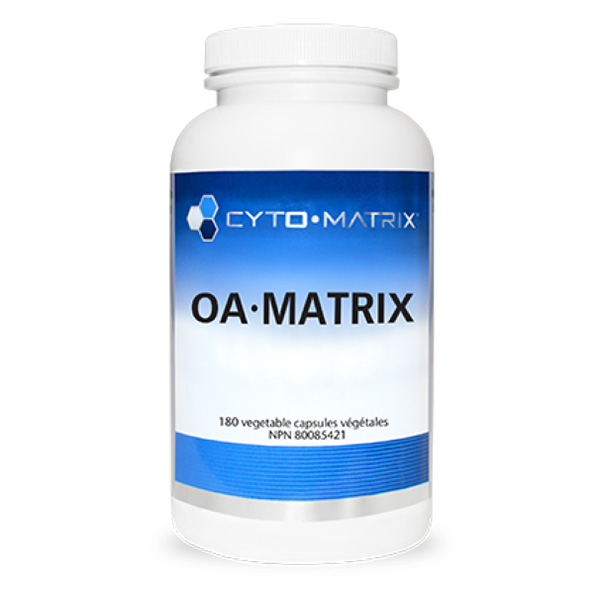
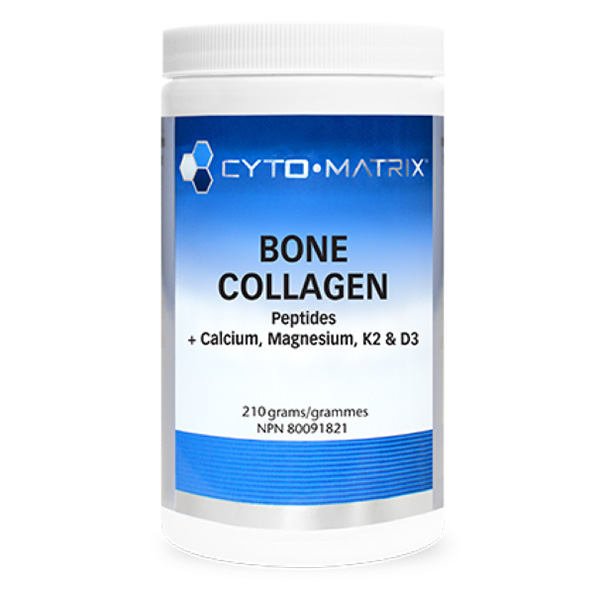
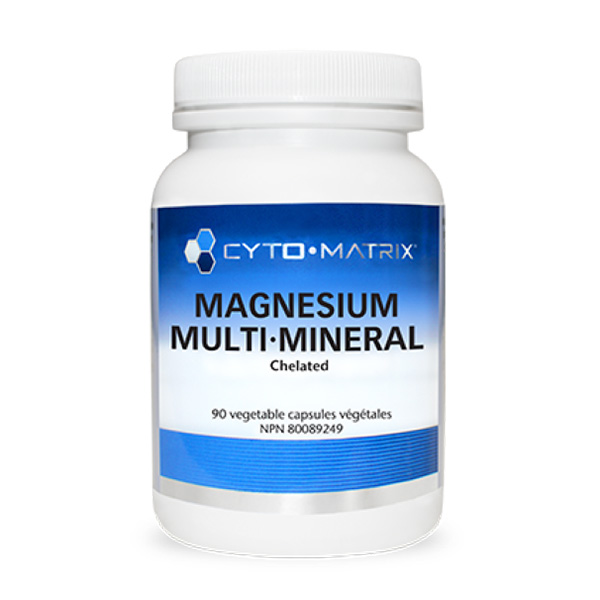
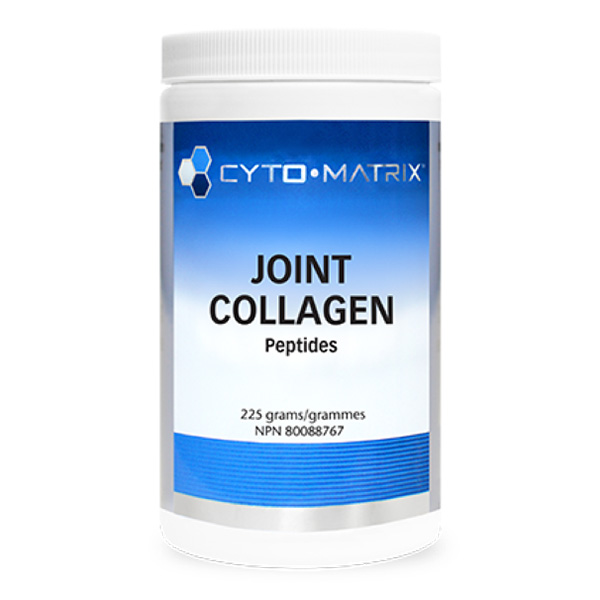
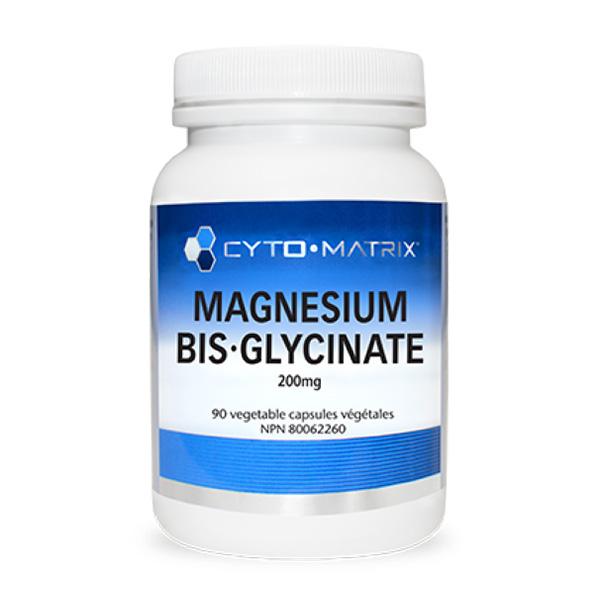
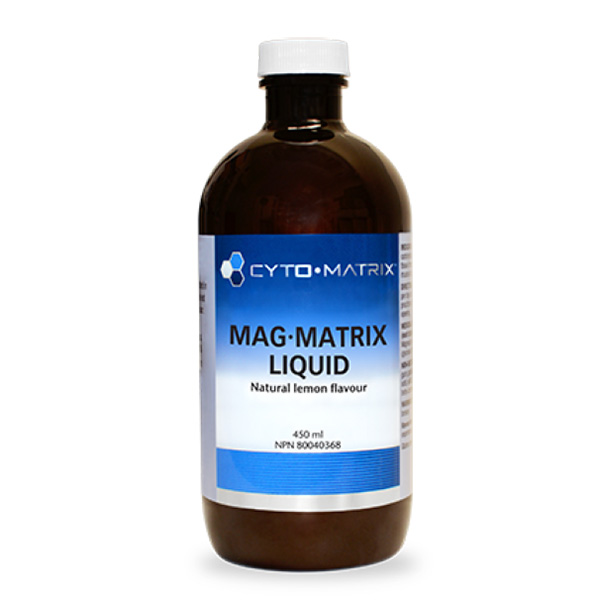
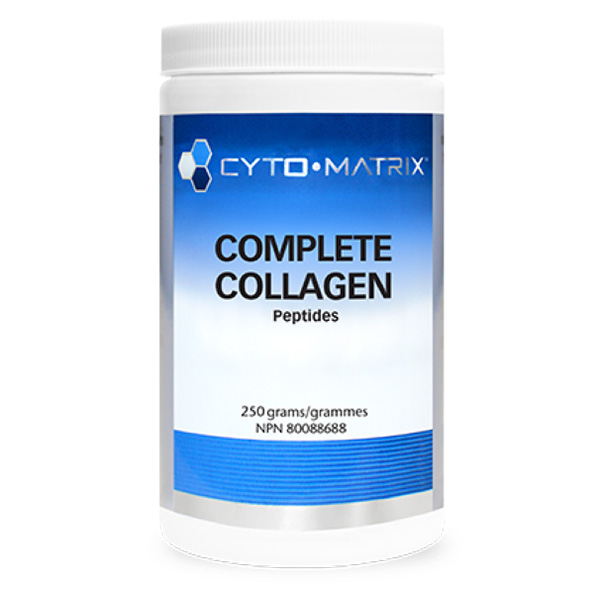
Showing 1–12 of 252 results

Canadian natural-health shopping guide

Bone, Joint & Mobility Support

Explore collagen, minerals, glucosamine, herbs and specialty formulas for bone and joint support.

Sina’s current online selection

252 Bone, Joint & Mobility Support products in this collection

Shop current prices and availability below. Use the product and brand filters to narrow the list, or add an in-stock item directly to your cart.

Helpful buying guide

How to shop Bone, Joint & Mobility Support

Bone and joint products may focus on different structures and ingredients. Calcium and vitamin D formulas are not equivalent to collagen, glucosamine, curcumin or sports-recovery products. Match the formula to the goal, review realistic duration-of-use directions and consider the cause of persistent pain or reduced mobility.

Evidence-based decision guide

Understand the options before you choose

Identify whether the issue is bone, joint, tendon or muscle

Pain, stiffness and weakness can arise from injury, osteoarthritis, inflammatory disease, medication effects, vitamin D deficiency or another cause. Supplements marketed for “mobility” are not interchangeable, and new swelling, trauma or loss of function should be assessed before self-treatment.[5][7]

Glucosamine and chondroitin evidence is inconsistent

Trials and guidelines disagree, and the most reliable studies have not shown a consistent clinically important benefit for knee or hip osteoarthritis. Product form and quality vary; people using warfarin need particular caution because increased bleeding has been reported.[5]

Curcumin and botanical extracts are formulation-specific

Early research suggests some turmeric or curcumin preparations may modestly improve osteoarthritis symptoms, but formulations and absorption enhancers differ and stronger evidence is needed. Highly bioavailable curcumin products have been linked with liver injury.[6]

Bone support starts with total calcium, vitamin D and movement

Calcium supplements are intended to close a dietary gap, not automatically maximize intake. Vitamin D, weight-bearing activity, protein, fall prevention and prescribed osteoporosis treatment may all be relevant to bone health.[8][9]

Joint and bone products answer different questions

OptionPotential roleEvidence or safety limit
Glucosamine/chondroitinA time-limited, product-specific osteoarthritis trial after discussionEvidence is inconsistent; review warfarin use.[5]
Turmeric/curcuminSelected labelled inflammatory or joint useFormulations differ; possible drug interactions and liver injury.[6]
Calcium/vitamin DMeeting nutrient needs within a bone-health planCount diet and medicines; more is not always safer.[8][9]
Collagen/proteinContributing protein or a product-specific labelled useDoes not repair an undiagnosed injury or replace rehabilitation.[3]
Health-supporting habits

Practical tips beyond supplements

  • Keep moving within a clinician- or physiotherapist-guided plan.
  • Track pain, stiffness and function rather than only a pain score.
  • Use adequate protein and food sources of calcium.
  • Set a review date and stop a product that provides no meaningful functional benefit.
Safety first

When assessment matters

  • A hot, red, rapidly swollen joint or fever needs urgent assessment.
  • Inability to bear weight after injury requires evaluation.
  • Progressive weakness, numbness or bowel/bladder change needs prompt care.
  • Persistent night pain or unexplained weight loss should not be self-treated.
A practical buying checklist

What to compare before you buy

  • Distinguish bone-mineral products from cartilage, collagen and inflammatory-support formulas.
  • Check animal, shellfish or plant sources when allergies or dietary preferences matter.
  • Review anticoagulant interactions and seek assessment for injury, swelling or persistent pain.

Need help choosing?

Bring your medication list, allergies, health conditions and current supplements. A Sina pharmacist can help you compare labels and identify questions for your prescriber.

Call 604-336-7462

Frequently asked questions

Are collagen and calcium used for the same purpose?

No. They are different ingredients with different labelled roles. Compare the product indication and your healthcare goal.

How quickly should a joint supplement work?

Time varies by ingredient and condition. Follow labelled duration-of-use guidance and reassess rather than continuing indefinitely without benefit.

Can supplements replace exercise or injury care?

No. Activity, rehabilitation and medical assessment may be central to mobility and pain management.

How do I compare two Bone, Joint & Mobility Support products?

Compare the exact medicinal ingredients, amount per full daily serving, dosage form, Canadian licence number when applicable, intended use, warnings and total daily cost. A longer ingredient list or higher number on the front label does not by itself make a product more suitable.[2][4]

Is a higher dose or more ingredients always better?

No. The useful amount depends on the nutrient or ingredient, the reason for use, food intake, age, health conditions and medicines. Higher exposure can add adverse effects, interactions or duplicate ingredients without adding benefit.[3][4]

Can I combine several products from this collection?

Sometimes, but compare every medicinal ingredient first. Multivitamins, powders, herbs and condition-specific formulas often overlap. A pharmacist can total the daily exposure and check whether the combination conflicts with medicines or health conditions.[3][2]

How quickly should I expect a supplement to work?

The answer depends on the ingredient, the outcome being measured and whether a deficiency or other cause is present. Agree on a realistic outcome and review date before starting; do not continue an ineffective product indefinitely or delay assessment of persistent symptoms.[3]

Can natural health products interact with prescription medicines?

Yes. Natural health products can alter absorption, sedation, bleeding, blood pressure, blood glucose, thyroid tests and drug metabolism. Share the product name, NPN or DIN-HM, ingredient list and dose with your pharmacist or prescriber.[3][2]

How do I verify a product sold in Canada?

Licensed natural health products normally display an eight-digit NPN or DIN-HM. Search that number in Health Canada’s database and compare the licensed use, ingredients, dose and risk statements with the package in hand. Cosmetics, foods and accessories follow different rules.[1][2]

Who should obtain individualized advice before choosing a product?

Ask first if you are pregnant or breastfeeding, selecting a product for a child, preparing for surgery, taking prescription medicines, or living with kidney, liver, heart, bleeding, immune, seizure or hormone-sensitive conditions. Bring an up-to-date medication and supplement list.[3]