
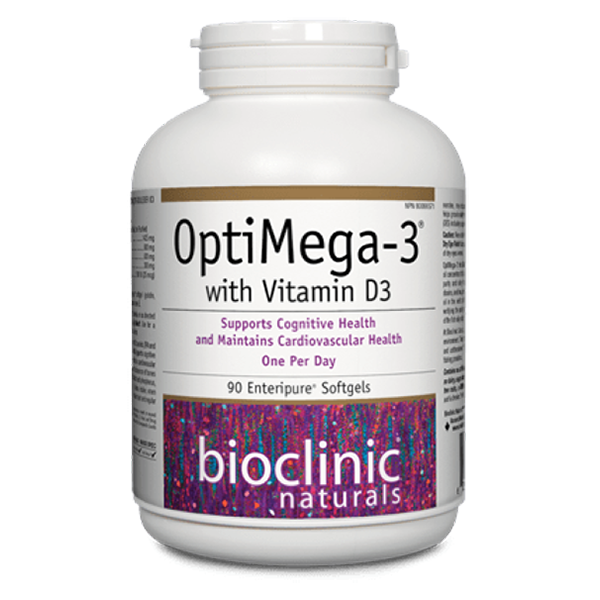

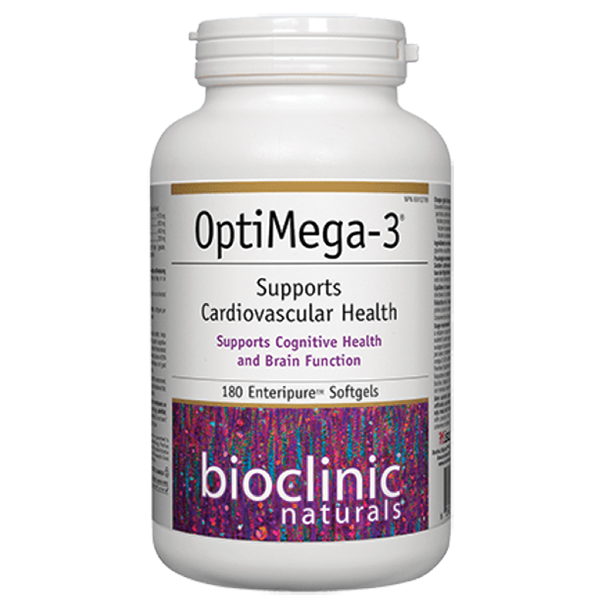




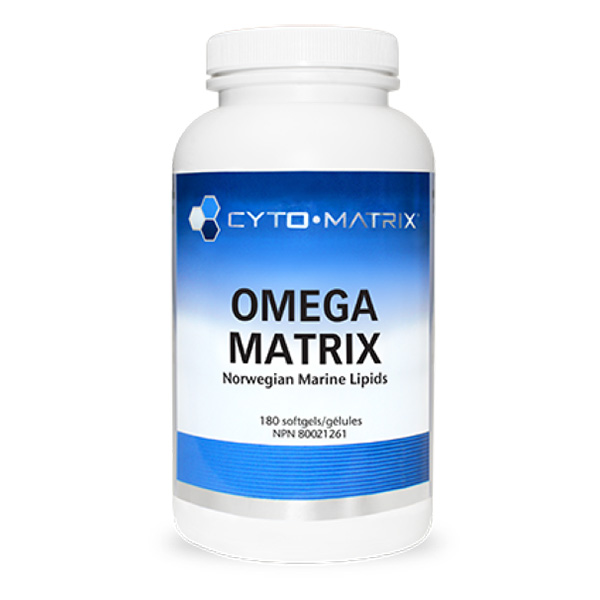

EPA, DHA and ALA are different
EPA and DHA are long-chain marine omega-3s; ALA is an essential plant omega-3 that is only partly converted to EPA and DHA. Flax oil and fish or algae oil should not be treated as nutritionally identical.[5]
Free delivery from $150 CAD in Canada and $220 CAD for eligible U.S. orders. Conditions apply; see Shipping Policy. Dismiss
Skip to content
Compare fish, algae and plant oils by actual EPA, DHA or ALA per full serving, source, purity information and intended use.
Shop current prices and availability below. Use the product and brand filters to narrow the list, or add an in-stock item directly to your cart.
“1,000 mg fish oil” does not necessarily mean 1,000 mg omega-3. Products differ in EPA, DHA, ALA, concentration, source, flavour, capsule count and storage. Food sources such as fatty fish have benefits beyond isolated oil. Choose a supplement only after defining the goal and checking medicines, pregnancy, allergies and total daily amount.
EPA and DHA are long-chain marine omega-3s; ALA is an essential plant omega-3 that is only partly converted to EPA and DHA. Flax oil and fish or algae oil should not be treated as nutritionally identical.[5]
Eating fish and seafood as part of a healthy dietary pattern is associated with cardiovascular benefit. Supplemental omega-3 can lower triglycerides, but dose and indication matter and high-dose treatment belongs under clinical supervision.[5]
DHA supports fetal brain and eye development. Guidance considers low-mercury seafood and may include supplemental DHA/EPA when intake is low. Product source and the actual DHA amount should be reviewed with prenatal care.[6][7]
Oils can oxidize. Follow expiry and storage instructions, refrigerate when directed, close liquids promptly and discard products with abnormal odour or taste. Third-party testing can add information but does not replace the Canadian licence and label.[2][4]
| Source | Main fatty-acid profile | Shopping consideration |
|---|---|---|
| Fish oil | EPA and DHA in varying proportions | Check actual EPA+DHA, species/source, allergen and capsule count.[5] |
| Algal oil | Usually DHA, sometimes EPA | Useful non-fish option; compare exact DHA/EPA amount.[5] |
| Flax or other plant oil | Mainly ALA | ALA is essential but not equivalent to preformed EPA/DHA.[5] |
| Cod-liver oil | EPA/DHA plus vitamins A and D | Count vitamins A and D across all products, especially in pregnancy.[5][6] |
Bring your medication list, allergies, health conditions and current supplements. A Sina pharmacist can help you compare labels and identify questions for your prescriber.
Call 604-336-7462No. Read the medicinal-ingredient panel for the actual EPA and DHA in the full serving.[5]
EPA and DHA are long-chain omega-3s found mainly in marine sources. ALA is a plant omega-3 and converts only partly to EPA and DHA.[5]
It can provide preformed DHA and sometimes EPA, but profiles differ. Compare the exact fatty-acid amount and intended use.[5]
Evidence is stronger for eating seafood in a healthy diet than for routine supplements in everyone. Supplements lower triglycerides, but cardiovascular outcomes vary by population and dose.[5]
EPA/DHA can lower triglycerides, but treatment amounts and prescription products require clinician supervision and are not interchangeable with ordinary supplements.[5]
Bleeding risk depends on dose, medicines and health status. Review higher-dose use with the prescriber or pharmacist.[5][3]
Review low-mercury seafood intake and prenatal-product DHA with the care team. Supplemental DHA may be useful when dietary intake is low.[6][7]
Follow the package. Many liquids require refrigeration after opening; all should be protected from heat, light and air.[4]
It describes a processing method, not the clinical suitability of the product. Verify the Canadian licence, fatty-acid amounts and any current quality documentation.[2]
Content prepared by Sina Pharmacy team using the sources above. It is not a diagnosis or an individualized treatment plan. The current Canadian product label and advice from your healthcare professional take precedence.