Showing 1–12 of 74 results

Canadian natural-health shopping guide

Blood Sugar Support

Compare berberine, chromium, fibre and other products marketed for glucose or metabolic support.

Sina’s current online selection

74 Blood Sugar Support products in this collection

Shop current prices and availability below. Use the product and brand filters to narrow the list, or add an in-stock item directly to your cart.

Helpful buying guide

How to shop Blood Sugar Support

Blood sugar products can interact with diabetes medicines and may change glucose levels. They do not replace diagnosis, nutrition planning, monitoring or prescribed therapy. People with diabetes, prediabetes, pregnancy or symptoms of high or low blood sugar should review products with a clinician.

Evidence-based decision guide

Understand the options before you choose

Supplements do not replace diabetes diagnosis or treatment

Prediabetes and diabetes are identified and monitored with validated tests. Food pattern, activity, sleep, weight-management support and prescribed medicines have established roles; no supplement should be used to replace them or to postpone care.[5][6]

Cinnamon, chromium and berberine evidence remains uncertain

Some trials report modest changes in fasting glucose or HbA1c, but products, doses, populations and results vary enough that firm conclusions are not possible. Cassia cinnamon can supply coumarin, chromium has rare kidney or liver safety reports, and berberine has important interaction potential.[5]

Low glucose risk changes when medicines are involved

Adding a glucose-lowering natural product to insulin or medicines such as sulfonylureas can make readings less predictable. People who proceed with a clinician-approved trial need a monitoring and sick-day plan and must know how to recognize and treat hypoglycemia.[5][3]

Neuropathy products address symptoms, not glucose control

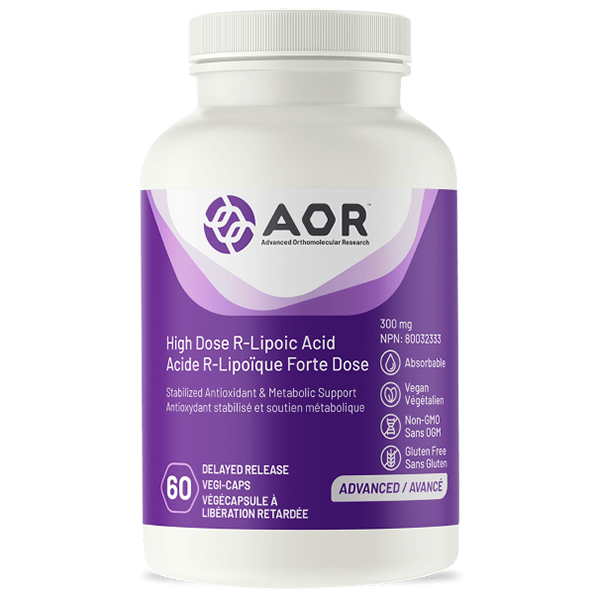
Alpha-lipoic acid has been studied for painful diabetic neuropathy, but it is not a substitute for glucose management, foot care or evaluation of new numbness and wounds. Kidney disease and multiple medicines further change supplement safety.[5]

Evaluate blood-sugar products against objective monitoring

IngredientEvidence questionSafety checkpoint
CinnamonIs the exact species and extract studied?Cassia coumarin, liver disease and medicine effects.[5]
ChromiumIs deficiency or a clinician-defined trial relevant?Kidney/liver cautions and uncertain long-term benefit.[5]
BerberineAre glucose targets and review timing defined?Drug interactions, pregnancy avoidance and gastrointestinal effects.[5][3]
Alpha-lipoic acidIs painful neuropathy the measured outcome?Does not replace foot assessment or glucose treatment.[5]
Health-supporting habits

Practical tips beyond supplements

  • Know the latest HbA1c and kidney function.
  • Choose fibre-rich foods and regular activity as the foundation.
  • Record glucose readings when any product or medicine changes.
  • Inspect feet daily if sensation is reduced and seek care early for wounds.
Safety first

When assessment matters

  • Symptoms of severe hypoglycemia or very high glucose require urgent action.
  • A foot ulcer, spreading redness or infection needs prompt care.
  • Do not stop insulin or diabetes medicines for a supplement.
  • Pregnancy and kidney disease require individualized product review.
A practical buying checklist

What to compare before you buy

  • Use the labelled ingredient and dose, not a promise to “balance” or “control” blood sugar.
  • Plan glucose monitoring and follow-up when a clinician recommends a supplement.
  • Review kidney, liver, pregnancy and medication cautions before use.

Need help choosing?

Bring your medication list, allergies, health conditions and current supplements. A Sina pharmacist can help you compare labels and identify questions for your prescriber.

Call 604-336-7462

Frequently asked questions

Can a supplement replace diabetes medicine?

No. Do not stop or adjust diabetes medication without the prescriber’s direction.

Why can low blood sugar be a concern?

Combining glucose-lowering products with medication may increase hypoglycemia risk. Product-specific review and monitoring are important.

Should everyone with elevated glucose take berberine or chromium?

No. Suitability depends on the diagnosis, medicines, health history and exact product.

How do I compare two Blood Sugar Support products?

Compare the exact medicinal ingredients, amount per full daily serving, dosage form, Canadian licence number when applicable, intended use, warnings and total daily cost. A longer ingredient list or higher number on the front label does not by itself make a product more suitable.[2][4]

Is a higher dose or more ingredients always better?

No. The useful amount depends on the nutrient or ingredient, the reason for use, food intake, age, health conditions and medicines. Higher exposure can add adverse effects, interactions or duplicate ingredients without adding benefit.[3][4]

Can I combine several products from this collection?

Sometimes, but compare every medicinal ingredient first. Multivitamins, powders, herbs and condition-specific formulas often overlap. A pharmacist can total the daily exposure and check whether the combination conflicts with medicines or health conditions.[3][2]

How quickly should I expect a supplement to work?

The answer depends on the ingredient, the outcome being measured and whether a deficiency or other cause is present. Agree on a realistic outcome and review date before starting; do not continue an ineffective product indefinitely or delay assessment of persistent symptoms.[3]

Can natural health products interact with prescription medicines?

Yes. Natural health products can alter absorption, sedation, bleeding, blood pressure, blood glucose, thyroid tests and drug metabolism. Share the product name, NPN or DIN-HM, ingredient list and dose with your pharmacist or prescriber.[3][2]

How do I verify a product sold in Canada?

Licensed natural health products normally display an eight-digit NPN or DIN-HM. Search that number in Health Canada’s database and compare the licensed use, ingredients, dose and risk statements with the package in hand. Cosmetics, foods and accessories follow different rules.[1][2]

Who should obtain individualized advice before choosing a product?

Ask first if you are pregnant or breastfeeding, selecting a product for a child, preparing for surgery, taking prescription medicines, or living with kidney, liver, heart, bleeding, immune, seizure or hormone-sensitive conditions. Bring an up-to-date medication and supplement list.[3]

Canadian sources and label guidance

  1. Health Canada: Natural health products
  2. Health Canada: Search licensed natural health products
  3. Health Canada: Safe use of natural health products
  4. Health Canada: Improved natural health product labelling
  5. NCCIH: Diabetes and dietary supplements
  6. Health Canada: Canada’s food guide

Content prepared by Sina Pharmacy team using the sources above. It is not a diagnosis or an individualized treatment plan. The current Canadian product label and advice from your healthcare professional take precedence.