Showing 1–12 of 182 results

Canadian natural-health shopping guide

Brain, Memory & Focus Support

Browse nutrients, amino acids, herbs and professional formulas marketed for cognitive support.

Sina’s current online selection

182 Brain, Memory & Focus Support products in this collection

Shop current prices and availability below. Use the product and brand filters to narrow the list, or add an in-stock item directly to your cart.

Helpful buying guide

How to shop Brain, Memory & Focus Support

Products for focus, memory and cognition vary widely in ingredients and evidence. Clarify the goal, compare the labelled indication and avoid expecting a supplement to diagnose or treat ADHD, dementia, depression or another condition. Sudden confusion, weakness, speech difficulty or severe headache needs urgent medical care.

Evidence-based decision guide

Understand the options before you choose

Memory and concentration problems have many causes

Sleep loss, stress, depression, hearing or vision problems, thyroid disease, anemia, vitamin B12 deficiency, medicine effects and neurologic disease can all affect cognition. A supplement should not delay assessment of new, progressive or function-limiting change.[5][6]

Correcting deficiency differs from “boosting” a normal brain

Vitamin B12 replacement can be important when deficiency or impaired absorption is present, but routine high-dose B-vitamin supplementation has not been shown to improve cognition in adequately nourished adults. Folate should not be used to conceal an unrecognized B12 deficiency.[6][7][5]

Ginkgo and omega-3 supplements have not proven dementia prevention

Large studies have not established ginkgo as a way to prevent or slow dementia, and omega-3 supplement trials have not shown convincing treatment benefit for mild-to-moderate Alzheimer disease. Food patterns, activity and vascular-risk care remain more important.[5][8]

Focus products require stimulant and interaction review

Caffeine, herbs and multi-ingredient nootropic blends can worsen anxiety, sleep, palpitations or blood pressure. Proprietary blends make dose assessment difficult; compare each ingredient and avoid stacking with energy drinks or ADHD medicines without advice.[3][9]

Separate nutrient replacement from cognitive marketing

OptionReasonable useWhat evidence does not show
Vitamin B12Confirmed deficiency, impaired absorption or a defined risk groupExtra B12 reliably sharpens cognition when status is adequate.[6]
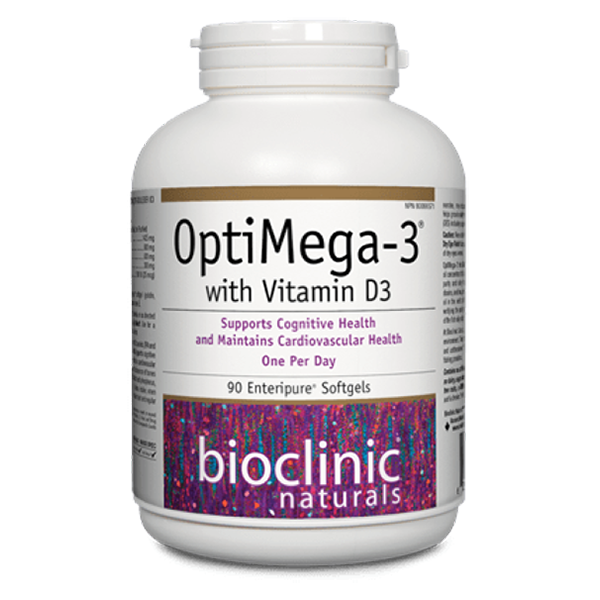
Omega-3Meeting fatty-acid needs or another clinician-defined useOTC fish oil treats Alzheimer disease.[5][8]
GinkgoOnly after a medication and bleeding-risk reviewIt prevents dementia or reliably improves healthy memory.[5]
Stimulant/nootropic blendA transparent, licensed formulation for a defined outcomeMore stimulation corrects the cause of brain fog.[3]
Health-supporting habits

Practical tips beyond supplements

  • Protect sleep, hearing, vision, physical activity and social connection.
  • Review medicines with anticholinergic or sedating effects.
  • Use reminders and routines while the cause of symptoms is assessed.
  • Track a functional goal such as work accuracy rather than a vague feeling of “brain boost.”
Safety first

When assessment matters

  • Sudden confusion, weakness, speech change or severe headache is an emergency.
  • Getting lost, medication errors or rapid decline needs prompt assessment.
  • New cognitive symptoms with fever, head injury or substance exposure need care.
  • Avoid ginkgo with anticoagulants unless specifically reviewed.
A practical buying checklist

What to compare before you buy

  • Check whether the formula contains stimulating, sedating or mood-active ingredients.
  • Compare single ingredients with blends so you can identify benefits or side effects.
  • Review interactions with ADHD, mood, sleep, blood-pressure and anticoagulant medicines.

Need help choosing?

Bring your medication list, allergies, health conditions and current supplements. A Sina pharmacist can help you compare labels and identify questions for your prescriber.

Call 604-336-7462

Frequently asked questions

What is a nootropic?

It is a broad marketing term for products intended to support cognitive performance. It does not describe one standardized ingredient or level of evidence.

Can a supplement treat memory loss?

Memory change may have medical, sleep, mood or medication causes. Seek assessment rather than relying on self-treatment.

Are focus products compatible with caffeine?

Some formulas already contain stimulating ingredients. Check the label and total caffeine exposure.

How do I compare two Brain, Memory & Focus Support products?

Compare the exact medicinal ingredients, amount per full daily serving, dosage form, Canadian licence number when applicable, intended use, warnings and total daily cost. A longer ingredient list or higher number on the front label does not by itself make a product more suitable.[2][4]

Is a higher dose or more ingredients always better?

No. The useful amount depends on the nutrient or ingredient, the reason for use, food intake, age, health conditions and medicines. Higher exposure can add adverse effects, interactions or duplicate ingredients without adding benefit.[3][4]

Can I combine several products from this collection?

Sometimes, but compare every medicinal ingredient first. Multivitamins, powders, herbs and condition-specific formulas often overlap. A pharmacist can total the daily exposure and check whether the combination conflicts with medicines or health conditions.[3][2]

How quickly should I expect a supplement to work?

The answer depends on the ingredient, the outcome being measured and whether a deficiency or other cause is present. Agree on a realistic outcome and review date before starting; do not continue an ineffective product indefinitely or delay assessment of persistent symptoms.[3]

Can natural health products interact with prescription medicines?

Yes. Natural health products can alter absorption, sedation, bleeding, blood pressure, blood glucose, thyroid tests and drug metabolism. Share the product name, NPN or DIN-HM, ingredient list and dose with your pharmacist or prescriber.[3][2]

How do I verify a product sold in Canada?

Licensed natural health products normally display an eight-digit NPN or DIN-HM. Search that number in Health Canada’s database and compare the licensed use, ingredients, dose and risk statements with the package in hand. Cosmetics, foods and accessories follow different rules.[1][2]

Who should obtain individualized advice before choosing a product?

Ask first if you are pregnant or breastfeeding, selecting a product for a child, preparing for surgery, taking prescription medicines, or living with kidney, liver, heart, bleeding, immune, seizure or hormone-sensitive conditions. Bring an up-to-date medication and supplement list.[3]