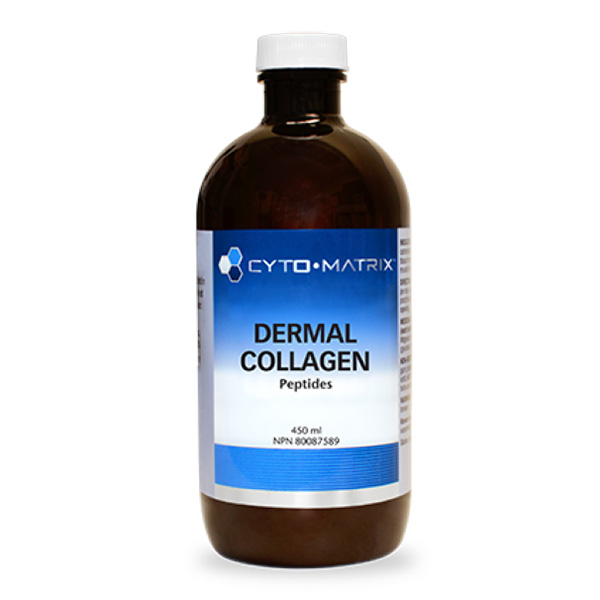
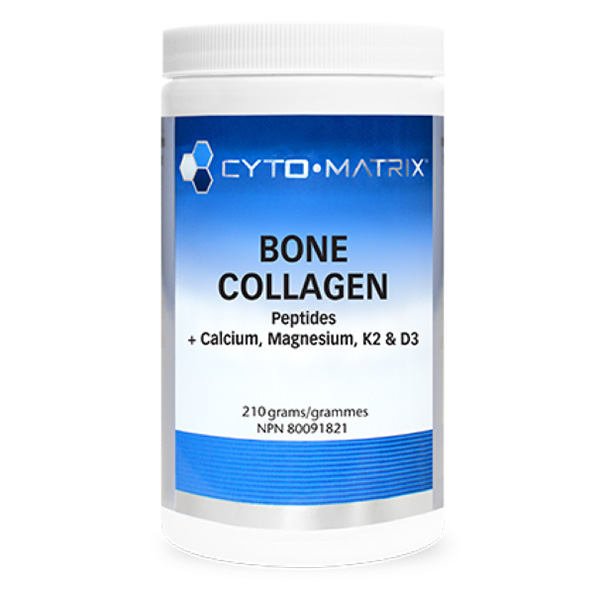
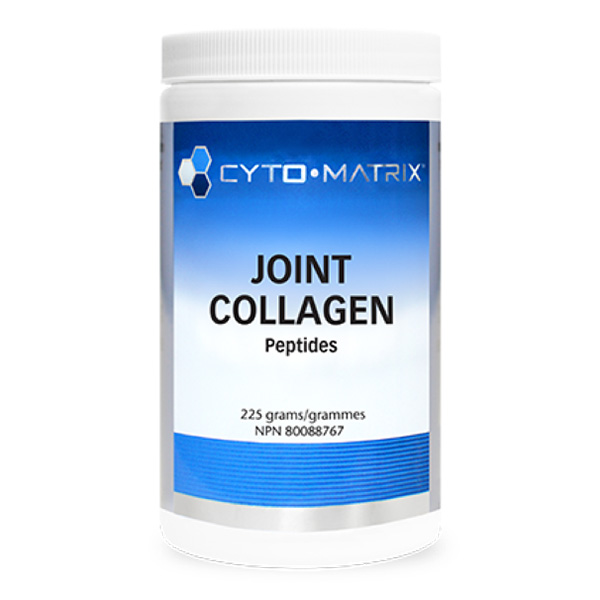
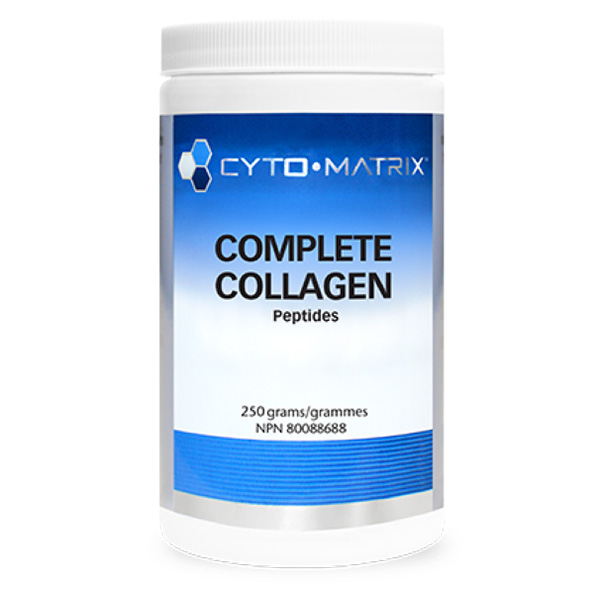
Showing 1–12 of 207 results

Canadian natural-health shopping guide

Skin, Hair, Nails & Collagen

Compare collagen, biotin, silica, oils and topical products by ingredient, source and intended use.

Sina’s current online selection

207 Skin, Hair, Nails & Collagen products in this collection

Shop current prices and availability below. Use the product and brand filters to narrow the list, or add an in-stock item directly to your cart.

Helpful buying guide

How to shop Skin, Hair, Nails & Collagen

Beauty-from-within and topical products address different goals. Collagen powders, vitamins and minerals are not interchangeable with moisturizers, sunscreen or medicated skin products. Persistent hair loss, nail change or skin symptoms may reflect an underlying condition and deserve assessment.

Evidence-based decision guide

Understand the options before you choose

Start with the pattern and likely cause

Hair shedding, brittle nails and skin change can reflect iron or thyroid problems, pregnancy, weight loss, inflammation, infection, medicine effects or normal variation. Supplements are most useful when they address an identified gap; sudden, patchy, painful or scarring change needs assessment.[5][6][8]

Biotin deficiency is uncommon and evidence is limited

Biotin deficiency can affect hair, skin and nails, but evidence that high-dose biotin improves these tissues in otherwise healthy people is based mainly on small uncontrolled reports. High-dose biotin can distort thyroid, cardiac and other laboratory tests.[5]

Collagen products provide peptides, not targeted repair

Oral collagen is digested into amino acids and peptides. Some trials suggest small changes in skin hydration or joint symptoms with specific preparations, but products, outcomes and study quality vary; adequate dietary protein and sun protection remain foundational.[10][3]

Topical products and oral supplements follow different rules

Cosmetics are intended to cleanse or alter appearance and do not use an NPN simply because they are described as natural. Read the ingredient list, patch test when appropriate, stop for irritation and use licensed therapeutic products when a medical claim is intended.[9][1]

Match beauty supplements to an identified need

OptionPotential roleKey limit
BiotinCorrecting rare deficiency or a licensed indicationLimited evidence for healthy hair/nails; major lab-test interference.[5]
Iron or zincDocumented inadequacy or deficiencyExcess can harm; hair loss alone does not diagnose deficiency.[6][7]
Collagen peptidesA time-limited trial using a defined daily amountNot a treatment for scarring alopecia or inflammatory skin disease.[3]
Topical cosmeticCleansing, moisturizing or appearanceFragrance and botanicals can irritate or cause allergy.[9]
Health-supporting habits

Practical tips beyond supplements

  • Use sun protection and gentle skin care before adding multiple actives.
  • Eat adequate protein and avoid crash dieting.
  • Tell the laboratory about biotin before blood tests.
  • Photograph changes monthly in consistent lighting rather than changing products weekly.
Safety first

When assessment matters

  • Rapid patchy hair loss, scarring or scalp inflammation needs assessment.
  • A changing mole, nonhealing lesion or unexplained bleeding needs prompt care.
  • Severe acne or eczema affecting sleep or mood deserves medical treatment.
  • Stop a product for facial swelling, blistering or widespread rash.
A practical buying checklist

What to compare before you buy

  • Identify whether the product is oral or topical and follow the route on the label.
  • Check collagen or oil source, allergens, added nutrients and full serving size.
  • Allow for realistic time frames and stop if a topical product causes irritation.

Need help choosing?

Bring your medication list, allergies, health conditions and current supplements. A Sina pharmacist can help you compare labels and identify questions for your prescriber.

Call 604-336-7462

Frequently asked questions

Are all collagen products the same?

No. Source, collagen type, peptide amount, added ingredients and serving size differ.

Does biotin interfere with laboratory tests?

Biotin can affect certain lab results. Tell the laboratory and healthcare team about supplements before testing.

When should hair or skin changes be assessed?

Seek advice for sudden or patchy hair loss, infected skin, changing lesions, severe rash or persistent unexplained symptoms.

How do I compare two Skin, Hair, Nails & Collagen products?

Compare the exact medicinal ingredients, amount per full daily serving, dosage form, Canadian licence number when applicable, intended use, warnings and total daily cost. A longer ingredient list or higher number on the front label does not by itself make a product more suitable.[2][4]

Is a higher dose or more ingredients always better?

No. The useful amount depends on the nutrient or ingredient, the reason for use, food intake, age, health conditions and medicines. Higher exposure can add adverse effects, interactions or duplicate ingredients without adding benefit.[3][4]

Can I combine several products from this collection?

Sometimes, but compare every medicinal ingredient first. Multivitamins, powders, herbs and condition-specific formulas often overlap. A pharmacist can total the daily exposure and check whether the combination conflicts with medicines or health conditions.[3][2]

How quickly should I expect a supplement to work?

The answer depends on the ingredient, the outcome being measured and whether a deficiency or other cause is present. Agree on a realistic outcome and review date before starting; do not continue an ineffective product indefinitely or delay assessment of persistent symptoms.[3]

Can natural health products interact with prescription medicines?

Yes. Natural health products can alter absorption, sedation, bleeding, blood pressure, blood glucose, thyroid tests and drug metabolism. Share the product name, NPN or DIN-HM, ingredient list and dose with your pharmacist or prescriber.[3][2]

How do I verify a product sold in Canada?

Licensed natural health products normally display an eight-digit NPN or DIN-HM. Search that number in Health Canada’s database and compare the licensed use, ingredients, dose and risk statements with the package in hand. Cosmetics, foods and accessories follow different rules.[1][2]

Who should obtain individualized advice before choosing a product?

Ask first if you are pregnant or breastfeeding, selecting a product for a child, preparing for surgery, taking prescription medicines, or living with kidney, liver, heart, bleeding, immune, seizure or hormone-sensitive conditions. Bring an up-to-date medication and supplement list.[3]